If you’re skeptical of AI, good. You should be. We’d rather tell you the flaws up front than have you find them in your canning jars or your chicken coop.
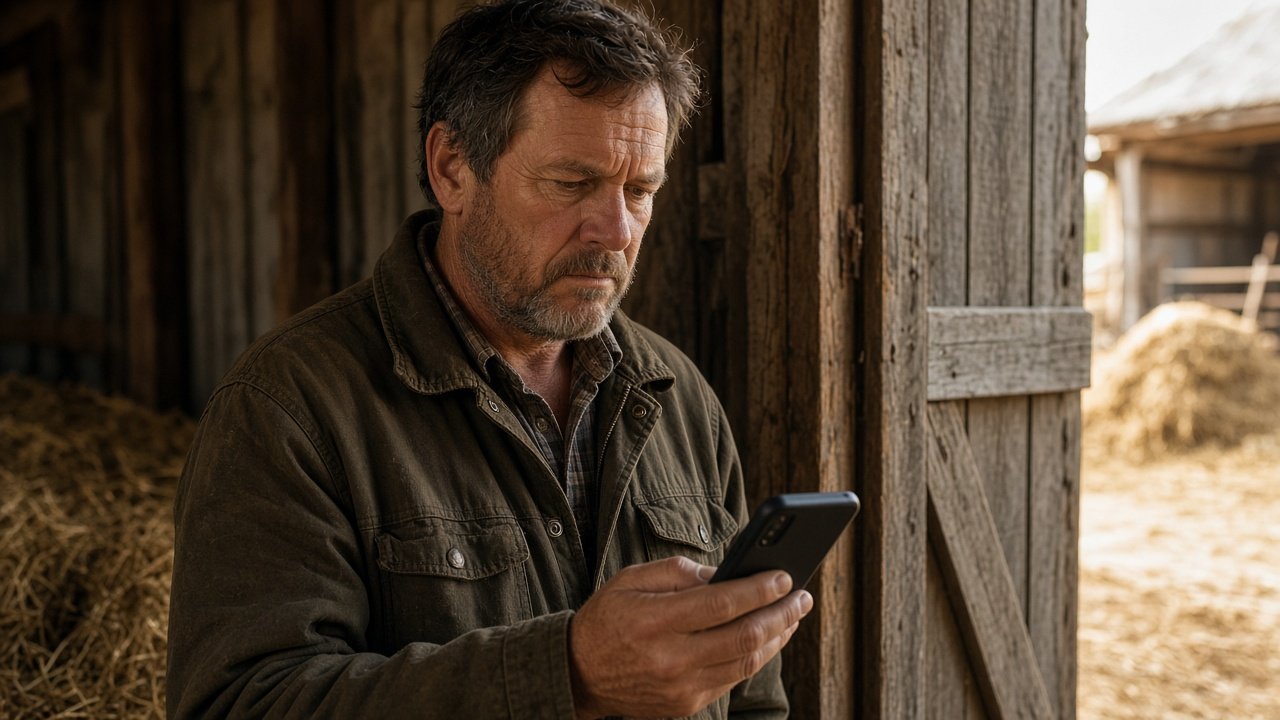
It sounds sure even when it’s wrong
AI writes in the same confident voice whether it’s right or making something up. On a popular gardening thread, the top reply to a “use ChatGPT to plan your seeds” tip was simply that it’s “very good at sounding confidently incorrect” (r/vegetablegardening). That’s the biggest thing to know.
It doesn’t know your place
AI doesn’t know your soil, your microclimate or your county’s rules unless you tell it, and even then it can guess wrong. When a Pennsylvania newspaper tested AI garden planners, ChatGPT’s suggestions included plants the state classifies as invasive whenever natives weren’t part of the request (LancasterOnline).
> Asked: plan a Pennsylvania garden
> AI said: suggested plants on the state’s invasive list
✗ VERIFIED: wrong. Invasive in Pennsylvania unless you ask for natives.
Photos only show so much
Plant ID is useful, but it isn’t magic. In a 2023 study of five free plant ID apps, the first guess was right 69% of the time on average (Hart et al., People and Nature). A 2025 Michigan State University test found ChatGPT correct 54% of the time, and even the top app struggled with seedling grasses (MSU Plant & Pest Diagnostics).
It will hand you unsafe food advice
This is the big one. AI can mix up recipes and methods in ways that look fine and aren’t. University of Minnesota Extension and Purdue food scientists have both warned against relying on AI-written recipes for food safety (UMN Extension, Purdue). The canning community is blunt about it too: “Do not use it for making shelf-stable anaerobic foods” (r/Canning).
Other fair complaints
- Privacy. What you type may be stored. Don’t paste in anything you wouldn’t put on a postcard.
- Where the knowledge came from. AI learned from other people’s work. We point you back to the real experts every time.
- You don’t learn by being told. That’s true. AI can give you knowledge, but you still have to build the skill yourself.
- Energy use. It’s a fair concern. Use AI for the jobs where it actually saves you time.
So why use it at all?
Because the settlers used the best tools they could get, and so can you. AI is good at research, explanations, organizing and ideas. It’s the neighbor over the fence, with notes. You just treat it like a neighbor, not an expert.
Our six rules
- Print it. Nothing important lives only online.
- Check it. Every guide points to where you can verify the answer.
- Red lines stay red. Canning times, animal doses and electrical work come from tested sources, never from AI.
- Make it yours. Feed it your zone, your land and your numbers.
- Skill stays human. AI brings the knowledge and you build the skill.
- Honest, not hype. We log the failures too. See the AI Fails Log.
What to do with all this
None of these flaws mean you have to become an expert at talking to a chatbot before AI is worth your time. They mean you start with the job and the most reliable route to it. First, the source that settles it: a tested recipe, your extension office, the seed packet, your vet, local rules, or a simple formula. Next, a guided tool if one fits the job. Then AI for ideas, drafts and organizing. A copy-and-paste prompt is last, and optional. Our guides are laid out in that order.
Pick one small job on Start Here, and keep Check It Here handy.
Next: Getting Started.