Diagnose a Sick Plant From a Photo: What AI Gets Right and Wrong
Your tomato leaves are turning yellow, or your squash has white spots, or something is chewing the beans. Before you spray, pull or give up on it, take a close look and get it confirmed by someone who can see a sample. AI can help you sort what you saw into a short list. Here’s how to put each piece in the right order.
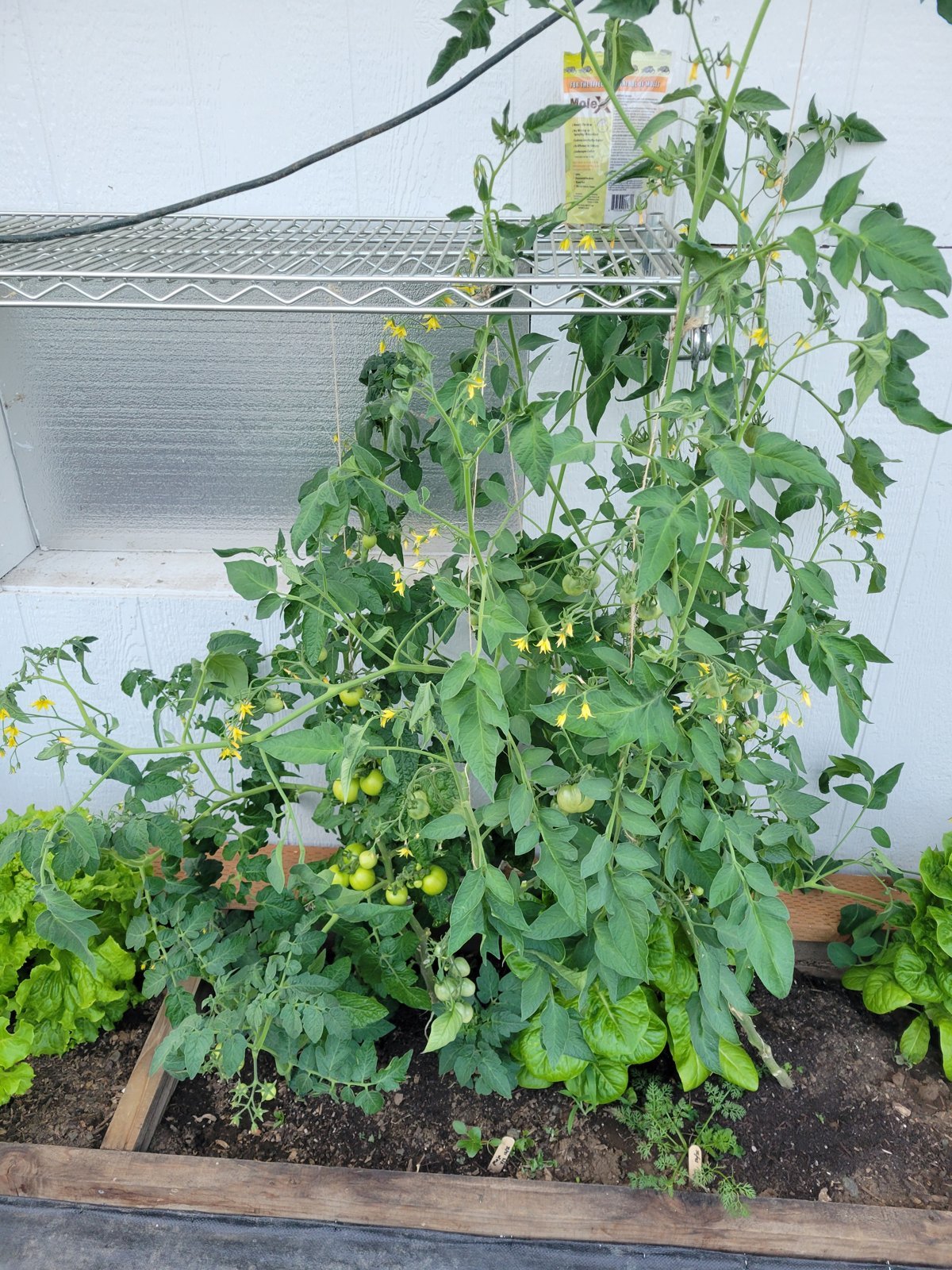
The job
Figure out what’s wrong with a struggling plant before you spray, pull or give up on it.
Start here: look closely
Walk out with this list and answer each line:
- Old leaves or new leaves first?
- Spots, yellowing, wilting, or chew marks?
- Undersides of leaves checked?
- Soil soggy, bone dry, or crusted?
- Weather the past week: heat, cold snap, heavy rain?
- Anything sprayed nearby, including a neighbor’s lawn?
Take good photos while you’re there:
- The whole plant, then the problem up close
- Tops and undersides of leaves
- Good daylight with no harsh shade
- Something for scale, like a coin or your finger
Then ask a person who can confirm
- Your extension office or plant diagnostic lab. Many will look at photos or a sample, often free or for a small fee. Find yours.
- The product label for any treatment. The label is the law (EPA).
- An experienced gardener nearby, the neighbor over the fence.
Your checklist answers and photos are exactly what they’ll want to see.
The pillar
Research and Ideas. AI gives you a short list of likely causes and what to look for next.
Where AI fits: organizing what you saw (optional)
Sometimes AI nails it. Sometimes it’s confidently, completely wrong. Used well, it turns your notes and photos into a shortlist and the questions worth asking, which can help you look closer and talk to extension. Here’s the honest picture first.
Where AI falls short
We have real numbers here, so let’s use them.
- A 2023 study tested five free plant identification apps on 857 professionally identified photos. On average, the first suggestion was right 69% of the time, and the right answer was somewhere in the top five 85% of the time. Google Lens did worse than the plant-specific apps on the first guess (Hart et al., 2023, People and Nature).
- Michigan State University’s Plant & Pest Diagnostics lab ran its own 2025 test. PictureThis came out on top at 76% correct. ChatGPT was right 54% of the time, and Google Lens, Gemini, Copilot and Seek fell between 28% and 48%. Seedling grasses were especially hard: even PictureThis got only 36% of them right (MSU).
Those tests are about identifying a plant. Diagnosing a problem is harder, because a photo can’t show the roots, the soil, the weather last week or what your neighbor sprayed. Nutrient problems, disease, pests, overwatering and herbicide drift can all look alike in a picture.
What AI gets right
- A good shortlist of possible causes
- The questions you should be asking, like “Is it the old leaves or the new ones?”
- Explaining what each problem is in plain words
- Telling you what to look for to rule things out
Give it the story, not just the picture
Here’s a photo of my [plant] in [state]. Symptoms: [what you see]. It started [when], on the [old/new] leaves. Weather lately: [x]. I watered [how often]. Recent fertilizer or sprays: [x]. List the three most likely causes, what would tell them apart, and what I should check before treating anything. Don’t recommend pesticides. Tell me to check the label instead.
Get a second opinion from a different tool
The 2023 study found that when the three best apps were used together, at least one had the right answer first 96% of the time. Try a plant ID app or iNaturalist, where real people weigh in, alongside the chatbot.
Don’t treat yet
Use the shortlist to look closer. Check under the leaves, dig at the soil, think about the weather. Then confirm before you spray anything. “AI said so” is not a label.
Build your own photo library
Every time you solve a problem, keep one photo and one line in the plant problem log: what it was, what fixed it, and what AI got wrong. After two seasons you have a guide for your own soil and weather that no generic chatbot can match. That is moving to the front of the line with your own mistakes, not just other people’s.
Print it
Keep a simple plant problem log: date, plant, symptoms, photo taken, AI’s guess, what extension said and what fixed it. After a season or two, it’s your own diagnostic guide for your own ground.
[DOWNLOAD PLACEHOLDER: plant problem log sheet]
Use it, then check it.